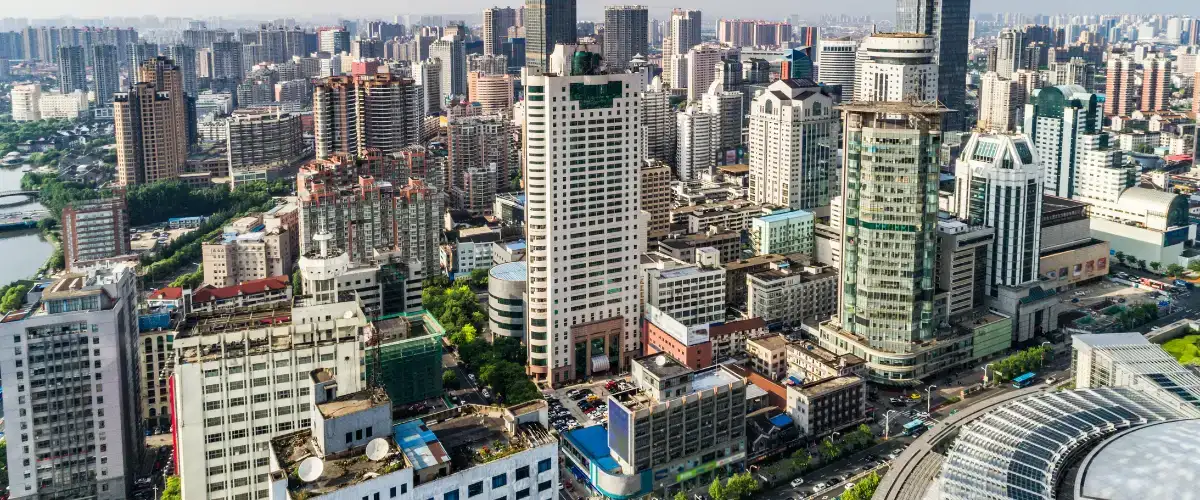
Mumbai’s western suburbs continue to evolve through major investments in transport and urban infrastructure. For homebuyers researching Kalpataru Hrushikesh, understanding upcoming infrastructure around Andheri West provides useful context beyond the property’s immediate specifications. Planned and developing transport corridors can influence mobility patterns, access to employment hubs and the overall functionality of established residential neighbourhoods.
Infrastructure should not be viewed as a guarantee of property appreciation. Instead, buyers can consider planned projects as one of several factors when assessing a residential location. Their actual impact depends on completion, operational performance, traffic conditions, integration with existing networks and broader urban development.
Metro Expansion and Regional Connectivity
Mumbai’s metro network is becoming an increasingly important part of the city’s public transport system. The expansion of interconnected metro corridors is designed to provide alternatives to road-based commuting and improve access between different parts of the metropolitan region.
One important corridor for the wider western and eastern suburban network is Metro Line 6, officially planned between Swami Samarth Nagar and Vikhroli. The corridor is 15.31 km long and includes 13 elevated stations. According to the Mumbai Metropolitan Region Development Authority, the line will pass through areas including Jogeshwari, JVLR and Powai before reaching Vikhroli.
The corridor is particularly relevant from a network-integration perspective. MMRDA identifies interchange opportunities with Metro Line 2A, Metro Line 7, Metro Line 3 and Metro Line 4, along with suburban railway connections at Jogeshwari and Kanjurmarg. Such integration can potentially make cross-suburban travel more flexible once the relevant infrastructure is operational.
For residents of established western suburban locations, interconnected metro infrastructure is significant because it expands the number of possible public-transport routes rather than relying entirely on a single corridor.
Metro Line 2A and Andheri West
Metro Line 2A is another important part of Mumbai’s western suburban transport network. The corridor runs from Dahisar to D.N. Nagar across 18.6 km with 17 elevated stations, including Oshiwara, Lower Oshiwara and Andheri West.
Unlike a future proposal with an uncertain operating date, Metro Line 2A is already operational. MMRDA states that its second phase between Dahanukarwadi and D.N. Nagar became operational in January 2023. The corridor connects with other metro systems and provides an important public-transport spine along the western suburbs.
For the Kalpataru Hrushikesh location, this wider metro network is relevant because infrastructure value is not limited to projects immediately outside a residential development. Interconnected corridors can influence how residents access different employment, commercial and lifestyle destinations across Mumbai.
The Importance of Interchange Connectivity
One of the key developments in Mumbai’s transport planning is the shift from isolated corridors towards an interconnected metro network. Interchange stations allow passengers to transfer between lines and reach destinations that may not be directly served by their originating corridor.
Metro Line 6 is planned with several such connections. MMRDA identifies interchange points with Line 2A at Infinity Mall, Line 7 at JVLR, Line 3 in the Aarey area and Line 4 at Kanjurmarg West. It also identifies suburban railway interchange opportunities at Jogeshwari and Kanjurmarg.
For buyers assessing residential property in Andheri West, this wider network can be considered alongside existing transport facilities. The practical benefit will ultimately depend on the operational status of each corridor, interchange convenience and actual journey conditions.
What Upcoming Infrastructure Means for Homebuyers
Infrastructure is one of several factors that can influence how buyers evaluate a residential address. Improved transport choices can be particularly relevant for households where different members commute to different parts of Mumbai.
A buyer assessing a premium residential development can therefore consider:
- Current public transport availability
- Planned metro corridors and interchange points
- Road infrastructure and traffic patterns
- Access to employment districts
- Connectivity towards major commercial areas
- Infrastructure completion timelines
- Operational status rather than announcements alone
This approach provides a more balanced way to evaluate infrastructure-related claims. A planned corridor should not automatically be treated as an immediate benefit. Buyers should distinguish between announced, under-construction, completed and operational infrastructure before making a property decision.
Why Andheri West Remains an Important Urban Location
Andheri West is part of an established western suburban ecosystem with residential communities, commercial destinations, educational institutions, healthcare facilities, entertainment venues and multiple transport options.
The addition and expansion of metro infrastructure adds another layer to this established urban environment. Rather than relying exclusively on road travel, residents increasingly have access to different modes and routes across Mumbai.
For prospective buyers researching Kalpataru Hrushikesh Andheri, this broader infrastructure context can help explain the long-term functional relevance of the location. However, the suitability of a property should still be assessed through its current accessibility, legal documentation, construction status, configuration, pricing and individual household requirements.
Evaluating Infrastructure Before Buying Property
Upcoming infrastructure can be attractive during property research, but responsible buying requires verification. Buyers should check the authority responsible for the project, its current construction status, approved alignment, expected timelines and whether the proposed infrastructure is actually relevant to their daily travel requirements.
Official sources should take priority over promotional claims or unverified timelines. MMRDA publishes information on metro corridors, alignments, project features and present status, making it a useful reference when evaluating Mumbai’s transport infrastructure.
For Kalpataru Hrushikesh, infrastructure is best considered as part of a wider location assessment rather than as a standalone investment argument. Existing connectivity, neighbourhood infrastructure, residential planning, developer credentials and purchase terms should all be reviewed together.
Final Takeaway
The continued development of Mumbai’s metro network and interconnected transport infrastructure is reshaping how residents move across the city. Metro Line 6 and the established Line 2A network are particularly relevant when assessing the broader Andheri West and western suburban environment.
For buyers considering Kalpataru Hrushikesh, understanding these infrastructure developments can provide useful context while evaluating the location. The strongest property decision remains one based on verified information, current accessibility, personal requirements and complete project documentation rather than future infrastructure expectations alone.
Enquire About Kalpataru Hrushikesh
For the latest project information, brochure, availability, pricing, floor plans or site-visit assistance, contact the sales team at 9975970295.
Visit www.kalpataruhrushikesh.com for more details about Kalpataru Hrushikesh.